Understanding the Rising Concern of Fatty Liver Disease
Many people assume liver problems only happen to heavy drinkers, but in reality, fatty liver disease is a common liver condition. In fact, non-alcoholic fatty liver disease (NAFLD) has an estimated global incidence of 47 cases per 1,000 population, making it the leading cause of liver disease worldwide.
Often silent in its early stages, it can progress over time if left unmanaged, leading to complications such as liver inflammation, scarring, or even severe cirrhosis. Because symptoms are not always obvious, many patients only discover it through routine check-ups or blood tests.
In this guide, we at GLS Centre aim to explain what fatty liver disease is, its causes, available treatments, and the role of liver function tests in early detection and monitoring.
What is Fatty Liver Disease?
Fatty liver disease occurs when excess fat builds up in the liver. While some fat is normal, too much can interfere with how the liver works. There are two main types:
- Non-Alcoholic Fatty Liver Disease (NAFLD): Not linked to alcohol intake, it is often associated with metabolic conditions such as obesity, diabetes, or high cholesterol.
- Alcoholic Fatty Liver Disease (AFLD): Caused by excessive alcohol consumption, this type can worsen if the individual continues to consume alcohol.
Both conditions may be mild in the early stages, but can progress to more serious liver damage and even liver cancer.
Recognising Fatty Liver Disease Symptoms
One of the biggest challenges with fatty liver disease is its silence. In the early stages, there are often no clear warning signs. As the condition advances, some people may experience:
- Persistent fatigue or low energy
- Discomfort or pain in the upper right side of the abdomen
- Unexplained weight loss or poor appetite
- Weakness or general malaise
Since these symptoms can overlap with many other conditions, proper diagnosis by a doctor is important.
What Causes Fatty Liver Disease?
The causes vary depending on whether it is NAFLD or AFLD.
- Non-Alcoholic Fatty Liver Disease (NAFLD): Commonly linked to obesity, type 2 diabetes, insulin resistance, and high triglycerides. A sedentary lifestyle and a poor diet also increase the risk.
- Alcoholic Fatty Liver Disease (AFLD): Directly related to the amount and duration of alcohol consumption. Regular heavy drinking increases fat accumulation and inflammation in the liver.
Genetics and other health conditions can also play a role, which is why not everyone with the same risk factors develops fatty liver disease.
How is Fatty Liver Disease Diagnosed? The Role of Liver Function Tests
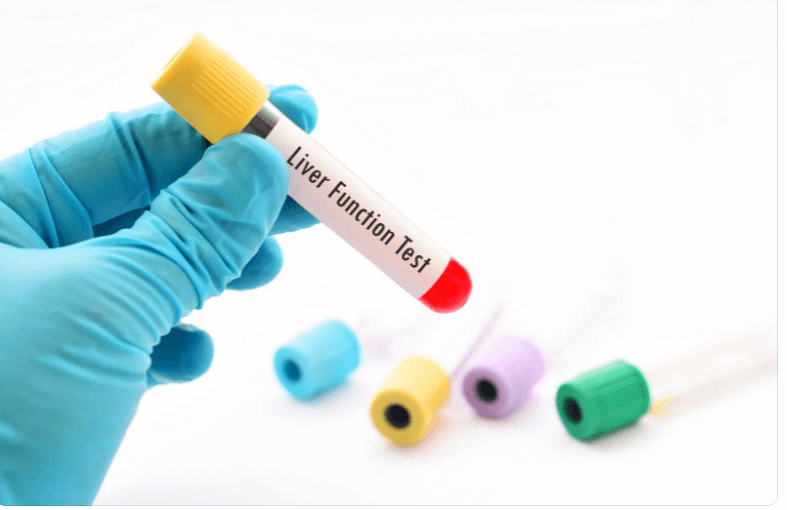
Because symptoms may be absent in the early stages, doctors often use liver function tests (LFTs) to detect problems. These are blood tests that measure levels of liver enzymes, proteins, and bilirubin. Elevated enzyme levels may indicate inflammation or liver injury.
In addition to LFTs, your doctor may recommend imaging tests such as an ultrasound, FibroScan, or even a liver biopsy in certain cases to confirm the diagnosis and assess severity.
At GLS Centre, patients with suspected liver conditions, including fatty liver disease, can undergo evaluation under the care of Dr. Lai Wai Kwan Vincent.
Fatty Liver Disease Treatment Options
There is no single medication that cures fatty liver disease, but treatment focuses on enhancing liver health and addressing underlying causes. Common approaches include:
- Lifestyle modifications: A healthy diet, regular exercise, and gradual weight loss can significantly reduce liver fat in patients with NAFLD.
- Managing underlying conditions: Controlling diabetes, high cholesterol, and hypertension is important for reducing further liver damage.
- Alcohol reduction: For AFLD, limiting or avoiding alcohol completely is essential.
- Medical monitoring: Regular follow-ups with liver function tests and imaging help track progress and adjust treatment when needed.
In more severe cases where scarring or cirrhosis has developed, further medical interventions may be required.
Costs of Diagnosis and Treatment in Singapore
The cost of managing fatty liver disease depends on the tests and treatments required. Patients may incur costs for:
- Consultations: Initial and follow-up visits with a specialist.
- Liver function tests: Routine blood tests for monitoring.
- Imaging tests: Ultrasound or FibroScan may be recommended for detailed evaluation.
- Medications or supportive care: Depending on associated health conditions.
Exact costs vary by clinic and treatment plan. Patients are encouraged to check with the clinic on available payment options and whether MediSave or insurance coverage may apply.
For more information about our liver health services, patients can visit the GLS Centre liver disease services page.
Taking Charge of Liver Health

Fatty liver disease may not always cause immediate symptoms, but it should not be overlooked. Early detection through routine liver function tests and regular check-ups plays a key role in preventing progression to more severe liver conditions.
If you have risk factors such as obesity, diabetes, or regular alcohol consumption, it may be time to consult a liver specialist for proper evaluation and advice. At GLS Centre, Dr. Lai provides patient care for those with liver concerns, helping them understand their condition and treatment options.
Book a consultation with us today and enhance your liver health with our personalised treatment solutions.